Au-delà du bouton de rendu : Le contenu 3D généré par l'IA en 2025
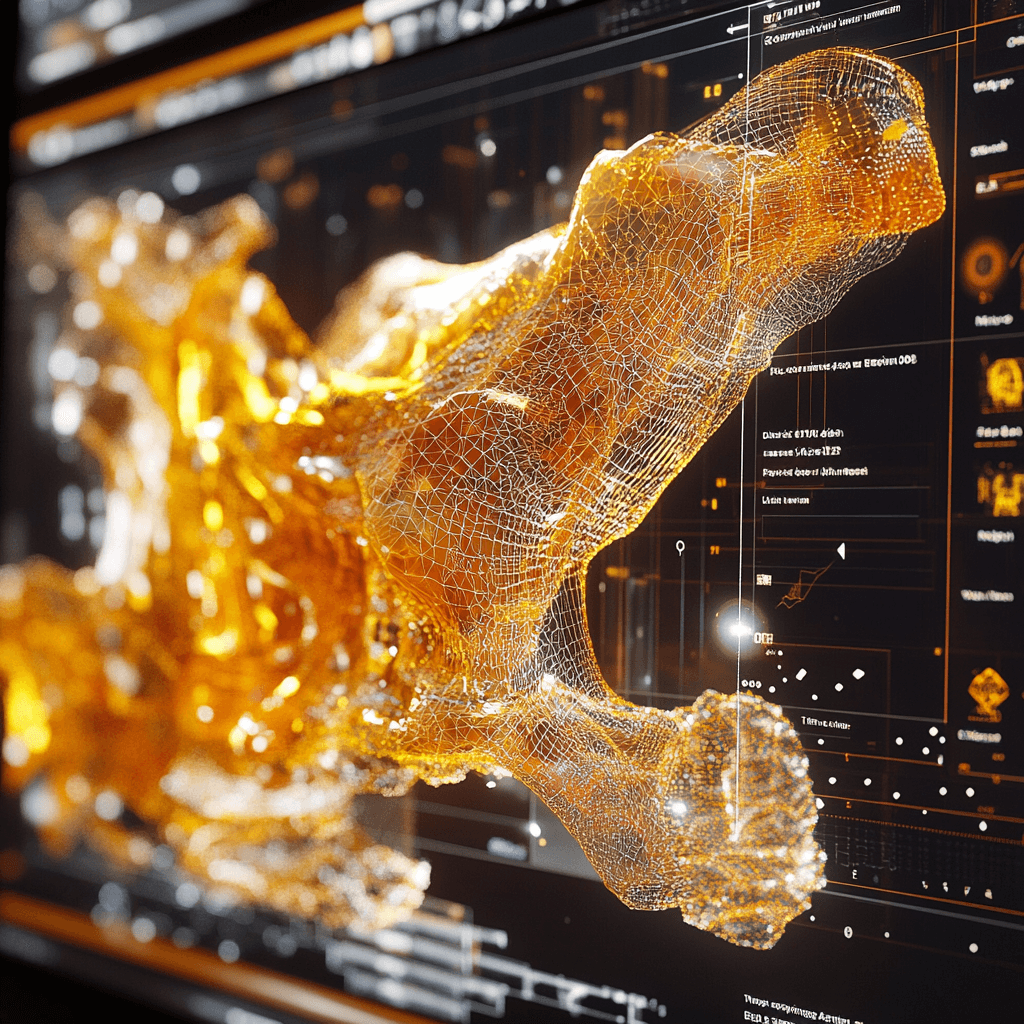
La révolution du contenu 3D : De la modélisation manuelle à la génération par IA
Le secteur de la création de contenu 3D connaît une transformation majeure. Ce qui exigeait auparavant des semaines de travail spécialisé peut désormais être réalisé en quelques minutes grâce à l’intelligence artificielle. Le marché mondial des générateurs d’images par IA en 3D devrait atteindre 1 372,30 millions de dollars d’ici 2032, avec “un CAGR impressionnant de 22,01 % de 2022 à 2032”. Le secteur plus large du rendu 3D devrait croître de 3,85 milliards de dollars en 2023 à 23,78 milliards de dollars d’ici 2034.
Cette expansion reflète un changement fondamental : la 3D générée par IA démocratise l’accès à des ressources numériques de qualité professionnelle, sortant la création 3D du domaine réservé des studios spécialisés.
État actuel de la 3D générée par IA : Ce qui est possible aujourd’hui
Les outils alimentés par l’IA offrent des capacités impressionnantes :
- Conversion d’images 2D ou de croquis en modèles 3D texturés
- Génération de scènes 3D complètes à partir de descriptions textuelles
- Création automatique de variantes de produits avec différents matériaux
- Production de modèles prêts pour l’animation avec topologie appropriée
Dans le secteur du commerce de détail, “l’ajout de contenu 3D aux pages de produits entraîne une augmentation remarquable de 94 % des taux de conversion”. De plus, “82 % des visiteurs interagissent activement” avec les contenus 3D présents sur les pages produits.
Des outils comme Tripo, Hunyuan3D et Rodin émergent comme des solutions leader pour diverses applications. Significativement, “66 % des acheteurs affirment qu’un configurateur 3D augmente leur confiance” dans leurs décisions d’achat.
Technologies clés propulsant la vague de contenu 3D par IA
1. Champs de radiance neuraux (NeRF) et modèles génératifs conscients de la 3D
Ces technologies permettent à l’IA de comprendre et générer des espaces tridimensionnels à partir de données limitées. Les implémentations de NVIDIA ont considérablement réduit les temps de rendu.
2. Modèles de diffusion appliqués à la 3D
L’approche révolutionnaire des modèles de diffusion en génération d’images est maintenant adaptée à la 3D, permettant une génération plus cohérente et contrôlable.
3. Améliorations du rendu en temps réel
“Le marché du rendu 3D devrait croître avec un CAGR de 21,4 % et atteindre 7,97 milliards de dollars d’ici 2025”, améliorant la visualisation et l’affinement du contenu généré.
4. Flux de travail d’IA intégrés
Des solutions comme le Blueprint AI de NVIDIA combinent des outils dans des flux de travail optimisés pour le matériel contemporain.
5. Capture 3D via smartphone
D’ici 2025, créer des modèles 3D en scannant des objets avec des téléphones sera facilement partageable grâce à des avancées comme l’API de capture d’objet d’Apple.
Études de cas : Marques tirant avec succès parti des actifs 3D générés par IA
Square Yards
Cette entreprise proptech a intégré des technologies d’IA générative pour les annonces immobilières, mettant en œuvre des descriptions optimisées pour le SEO, le balisage d’images, les visites virtuelles et la conversion de plans 2D en 3D.
American Eagle
Le détaillant a utilisé l’IA dans ses cabines d’essayage, employant la vision par ordinateur pour analyser les préférences vestimentaires, les tailles et le teint afin de fournir des recommandations personnalisées.
Zalando
Le géant européen de la mode a introduit une cabine d’essayage virtuelle utilisant l’apprentissage automatique et la vision par ordinateur. Plus de 30 000 clients ont expérimenté cette technologie, réduisant ainsi les retours.
IKEA
Le détaillant de meubles a lancé des outils de réalité virtuelle alimentés par l’IA permettant aux consommateurs de visualiser les meubles dans leur maison avant l’achat.
Sephora
Le détaillant a implémenté des recommandations de produits personnalisées basées sur l’IA, améliorant significativement les taux de conversion.
L’écart de qualité : Comparaison entre production 3D générée par IA et production 3D traditionnelle
Forces de la 3D générée par IA
- Vitesse : Production de modèles 3D basiques en quelques minutes
- Capacité itérative : Génération facile de dizaines ou centaines de variations
- Accessibilité : Les non-spécialistes peuvent créer du contenu utilisable
- Rentabilité : Réduction significative des coûts de production pour les actifs standards
Limitations actuelles
- Contrôle des détails fins : Les modèles générés peuvent manquer de précision par rapport aux actifs fabriqués manuellement
- Optimisation technique : Les modèles nécessitent souvent un nettoyage pour des performances optimales
- Cohérence stylistique : Maintenir une esthétique de marque uniforme peut présenter des défis
- Fonctionnalité complexe : Les aspects mécaniques spécialisés exigent toujours l’intervention d’experts
L’écart se réduit cependant rapidement. Les outils d’IA incorporent de plus en plus des fonctionnalités optimisant automatiquement la topologie et créant des ressources prêtes pour la production.
Guide de mise en œuvre : Intégrer la génération 3D par IA dans votre flux de travail
1. Évaluez vos besoins en contenu 3D et vos cas d’utilisation
Identifiez où le contenu 3D crée le plus de valeur :
- Visualisation de produits
- Expériences interactives pour les clients
- Matériel marketing
- Applications de réalité virtuelle/augmentée
- Affichages en magasin
2. Sélectionnez les bons outils d’IA pour vos besoins
Considérez le niveau de qualité requis, le volume d’actifs nécessaire, les spécifications techniques et les capacités d’intégration.
3. Commencez par des essais à petite échelle
Les experts recommandent des projets pilotes avant la mise en œuvre complète. Commencez par des actifs non critiques pour acquérir de l’expérience.
4. Établissez des processus de contrôle de la qualité clairs
Définissez les lignes directrices pour :
- L’appropriation du contenu généré par IA
- Les seuils de qualité et critères d’évaluation
- Les points d’intervention humaine
- Les spécifications techniques des livrables
5. Formez votre équipe aux nouveaux flux de travail
Offrez une formation couvrant :
- L’ingénierie des incitations pour des résultats cohérents
- L’évaluation technique des ressources générées
- Les techniques de post-traitement efficaces
- La collaboration entre créateurs IA et humains
6. Intégrez avec les systèmes existants
Assurez-vous que les outils de génération 3D se connectent avec :
- Les systèmes de gestion des informations sur les produits (PIM)
- Les plateformes de gestion des actifs numériques (DAM)
- Les plateformes de commerce électronique
- Les outils d’automatisation du marketing
7. Mesurez et optimisez
Suivez les indicateurs clés :
- Économie de temps de production et coûts
- Utilisation des actifs et taux d’engagement
- Impacts sur la conversion et les ventes
- Productivité et satisfaction de l’équipe
Analyse coût-bénéfice : Le cas commercial pour le contenu 3D généré par IA
Avantages de coûts quantifiables
- Réduction des coûts de développement : Les plateformes d’IA sans code peuvent réduire les coûts jusqu’à 40 %
- Économies de temps : Les projets prenant auparavant des semaines peuvent être achevés en quelques jours
- Optimisation des ressources : Les équipes peuvent se concentrer sur des tâches créatives à forte valeur
Bénéfices de revenus et de conversion
- Augmentation des taux de conversion : “L’ajout de contenu 3D aux pages de produits entraîne une augmentation de 94 % des taux de conversion”
- Réduction des retours : “89 % des détaillants affirment que le contenu 3D est important pour réduire les retours”
- Augmentation de la confiance des clients : 66 % des acheteurs rapportent que les configurateurs 3D augmentent leur confiance
Avantages concurrentiels
- Plus grande variété de produits : Génération rapide de variantes
- Expériences client améliorées : Les expériences 3D immersives différencient les marques
- Itération plus rapide : Expérimentation et affinement accélérés des conceptions
Horizons futurs : Que nous réserve 2026 et au-delà
1. Génération multimodale
Les systèmes futurs combineront texte, image, vidéo et autres entrées pour générer des ressources 3D plus sophistiquées.
2. Personnalisation avancée en temps réel
Les technologies de rendu en temps réel permettront la personnalisation instantanée des ressources 3D.
3. Flux de travail collaboratifs entre IA et humains
L’IA évoluera en outils de co-création sophistiqués plutôt que de remplacer les concepteurs.
4. Intégration avec l’informatique spatiale
La convergence du contenu généré par IA avec la réalité augmentée et virtuelle créera de nouvelles possibilités immersives.
5. Solutions spécialisées spécifiques à l’industrie
Des outils émergent pour :
- Architecture et construction
- Mode et habillement
- Conception automobile
- Santé et visualisation médicale
- Jeux et divertissement
6. Jumeaux numériques vérifiés par blockchain
La technologie blockchain sécurisera et vérifiera les modèles 3D, établissant une provenance claire.
7. Impact de l’informatique quantique
Les avancées permettront des simulations et optimisations au-delà des capacités actuelles.
Le contenu 3D généré par IA représente une frontière passionnante dans la création d’expériences numériques. La technologie a considérablement mûri et offre une valeur commerciale mesurable. Les organisations approchant cette révolution de manière stratégique — comprenant à la fois les capacités et limites, intégrant judicieusement dans les flux existants et se préparant aux évolutions futures — tireront le meilleur parti.
L’objectif n’est pas de remplacer la créativité humaine mais de l’amplifier. Les implémentations les plus puissantes combinent l’efficacité et l’échelle de l’IA avec le jugement artistique humain et la direction stratégique, créant un nouveau paradigme de création de contenu 3D plus accessible et aligné avec les besoins commerciaux.