
Le jeu vidéo comme terrain d'entraînement pour JEPA et l'IA humaine
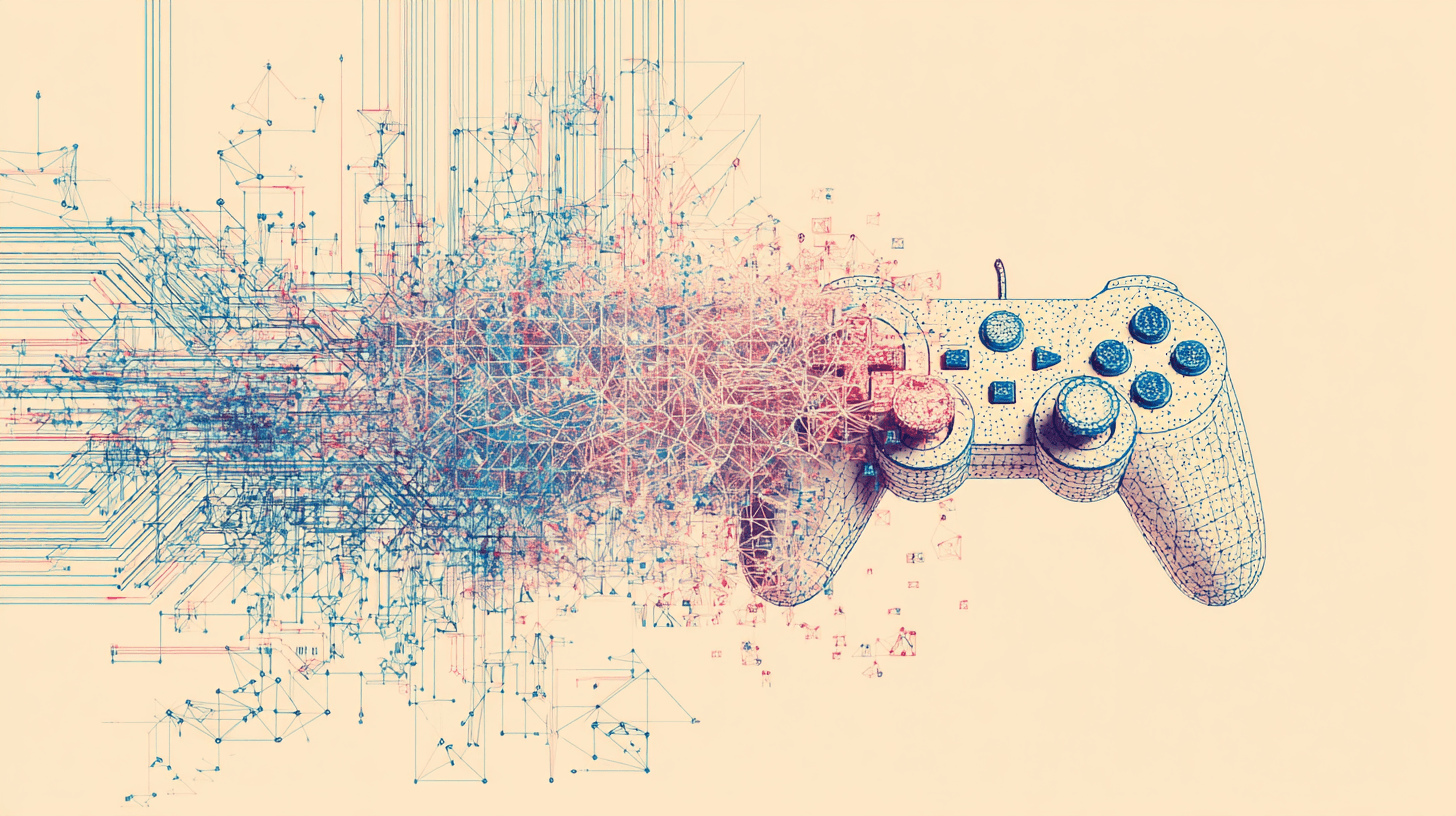
Les innombrables heures que les humains passent à maîtriser des mondes virtuels peuvent-elles détenir la clé du développement de systèmes d’IA qui comprennent réellement et raisonnent sur la réalité ?
L’Architecture Prédictive à Embedding Conjoint (JEPA) représente une avancée majeure dans la conception des modèles d’IA, elle fait partie de la plus grande vision de Yann LeCun sur la manière d’atteindre une intelligence de niveau humain, et contrairement aux modèles traditionnels supervisés ou autorégressifs, JEPA exploite des objectifs d’auto-apprentissage pour capturer la structure sous-jacente et la dynamique des environnements complexes, permettant une généralisation, une planification et un raisonnement causal plus efficaces. Yann LeCun a raison de faire un point fort : même un chat domestique comprend le monde mieux que beaucoup des modèles d’IA les plus avancés d’aujourd’hui. C’est parce que les animaux et les humains construisent des modèles internes du monde. Si nous essayons de donner aux modèles d’IA une intelligence de niveau humain, nous devons repousser les limites et leur donner la capacité d’apprendre comme des humains.
Les joueurs génèrent quotidiennement des téraoctets de données comportementales riches, y compris, mais sans s’y limiter, l’exploration active, l’apprentissage de cause à effet, et la planification hiérarchique allant de secondes à heures. Chaque session de jeu est un humain construisant son propre modèle du monde à travers l’interaction. Nous avons donc réfléchi à la possibilité que cela puisse être utile pour le développement des modèles JEPA.
Imaginez que JEPA apprend la physique grâce aux joueurs découvrant les mécaniques du jeu, comprenant la planification à partir des speedrunners optimisant les itinéraires, saisissant la causalité à partir de millions de moments expérimentaux “et si ?”.
Comprendre JEPA : L’Architecture de la Compréhension du Monde
JEPA fonctionne fondamentalement différemment des approches traditionnelles d’IA en apprenant à prédire des représentations abstraites plutôt que des sorties de pixels bruts. L’architecture se compose de trois composants clés : des encodeurs qui transforment les entrées en représentations abstraites, un module prédicteur qui prévoit des états futurs, et un mécanisme pour gérer l’incertitude à travers des variables latentes.
Contrairement aux modèles génératifs qui tentent de reconstruire chaque détail de pixel, JEPA se concentre sur la compréhension sémantique — prédire des informations de haut niveau sur des régions non visibles plutôt que des détails de pixel. Cette approche reflète la manière dont les humains traitent l’information : nous ne reconstruisons pas mentalement chaque détail visuel lorsque nous anticipons ce qui se passe ensuite, mais maintenons plutôt des modèles conceptuels abstraits de la façon dont le monde fonctionne.
Comme l’explique LeCun, JEPA permet aux machines d’atteindre “une compréhension plus ancrée du monde afin que les machines puissent atteindre un raisonnement et une planification plus généralisés” en apprenant des modèles internes similaires à la façon dont les humains forment leur compréhension de leur environnement.
Pourquoi les Données de Jeu Représentent un Terrain d’Entraînement Idéal
Les environnements de jeu offrent plusieurs avantages uniques qui s’alignent parfaitement avec les objectifs d’apprentissage de JEPA :
Structures Causales Riches : Chaque action de jeu produit des conséquences immédiates et différées. Lorsqu’un joueur tire sur un ennemi, lance un sort ou prend une décision stratégique, l’environnement répond par des chaînes de cause et d’effet prévisibles mais complexes. Cela fournit à JEPA d’innombrables exemples de la manière dont les actions influencent les états futurs — essentiel pour construire des modèles du monde robustes.
Apprentissage Temporel Hiérarchique : Les jeux s’étendent naturellement sur plusieurs échelles de temps. Les joueurs prennent des décisions tactiques en une fraction de seconde tout en exécutant simultanément des plans stratégiques de plusieurs heures. Un speedrunner optimisant un itinéraire démontre une planification à travers des horizons temporels très différents — depuis des entrées parfaites en temps jusqu’aux stratégies de complétion globales.
Exploration Active et Découverte : Le jeu implique une exploration active où les joueurs découvrent continuellement de nouvelles mécaniques, testent des hypothèses sur les systèmes de jeu, et adaptent leurs modèles mentaux en fonction des retours. Cela reflète le type d’apprentissage auto-supervisé dans lequel JEPA excelle, où la compréhension émerge à travers la prédiction et la découverte plutôt que par instruction explicite.
Complexité Contrôlée : Les environnements de jeu offrent un équilibre parfait entre complexité et cohérence. Ils sont suffisamment sophistiqués pour contenir des dynamiques riches et des comportements émergents, mais suffisamment structurés pour éviter le chaos des données réelles brutes.
La Mine d’Apprentissage : Ce que les Données de Jeu Offrent à JEPA
Découverte de la Physique : Chaque fois qu’un joueur expérimente avec les mécaniques de jeu — testant les dégâts de chute, la physique des projectiles ou les systèmes de collision — il réalise des expériences de physique miniature. JEPA pourrait apprendre des concepts fondamentaux sur la momentum, la gravité et l’interaction des objets grâce à ces millions d’expériences de joueurs.
Planification et Stratégie : Des jeux comme StarCraft II et Dota 2 ont déjà démontré le potentiel pour l’IA d’apprendre un raisonnement stratégique complexe. Les arbres de décision, la gestion des ressources et la planification en plusieurs étapes que les joueurs humains montrent fournissent des données d’entraînement riches pour les capacités prédictives de JEPA.
Raisonnement Adaptatif : Les jeux présentent constamment des situations nouvelles nécessitant une résolution de problèmes créative. Les joueurs doivent adapter leurs stratégies en fonction des circonstances changeantes, du comportement des adversaires et des informations émergentes — exactement le type de raisonnement flexible que JEPA vise à développer.
Dynamique Sociale : Les jeux multijoueurs offrent des ensembles de données sans précédent sur l’interaction sociale humaine, la coopération, la compétition et les modèles de communication. Ces interactions pourraient aider JEPA à développer une compréhension plus nuancée des environnements multi-agents.
JEPA Rencontre le Jeu : Voies d’Implémentation Technique
Des recherches récentes ont déjà commencé à explorer les applications de JEPA dans des contextes d’apprentissage par renforcement, avec des études montrant que les encodeurs JEPA peuvent surpasser les méthodes basées sur la reconstruction dans les tâches RL visuelles, atteignant un apprentissage plus rapide et une meilleure efficacité des échantillons.
Apprentissage Multi-Modal : Les jeux fournissent des flux synchronisés de données visuelles, audio et d’interaction. JEPA pourrait apprendre à prédire non seulement des changements visuels mais aussi des signaux audio, des réponses UI et des retours du système — construisant des modèles du monde multimodaux plus riches.
Échelle de Prédiction Temporelle : Les implémentations actuelles de JEPA comme V-JEPA traitent des séquences vidéo relativement courtes, mais le contexte du jeu offre des opportunités d’évoluer vers des horizons temporels plus longs — prédire des états de jeu des minutes ou même des heures à l’avance en fonction du comportement actuel des joueurs et de l’état du jeu.
Opportunités d’Apprentissage par Transfert : Les compétences acquises dans les environnements de jeu pourraient potentiellement être transférées à des applications du monde réel. Le raisonnement spatial développé dans des jeux 3D, l’optimisation des ressources apprise dans des jeux de stratégie, ou l’intuition physique acquise grâce à des jeux de simulation pourraient tous contribuer à des systèmes d’IA plus capables.
La Vision de Recherche : De la Virtualité à la Réalité
La convergence de l’architecture JEPA avec les données de jeu représente plus qu’une simple approche de formation novatrice — c’est un chemin vers des systèmes d’IA qui développent une compréhension intuitive du monde à travers l’interaction et l’expérimentation, tout comme les humains.
Comme l’a déclaré LeCun, l’objectif est de créer des systèmes d’IA qui “peuvent apprendre, raisonner et planifier comme des humains, abordant les lacunes des modèles actuels” en construisant des modèles du monde prédictifs essentiels pour l’AGI.
Le jeu fournit le laboratoire parfait pour ce développement : des environnements suffisamment complexes pour nécessiter un raisonnement sophistiqué, mais suffisamment contrôlés pour permettre un apprentissage systématique. Les données comportementales générées par des millions de joueurs représentent l’exploration collective de l’humanité des principes physiques virtuels, de la stratégie et de la résolution de problèmes — un véritable trésor d’exemples de modélisation du monde.
Avenir : La Synthèse Gaming-JEPA
À mesure que nous nous rapprochons de systèmes d’IA plus sophistiqués, la synthèse des innovations architecturales de JEPA avec les riches ensembles de données comportementales du jeu représente une direction de recherche prometteuse. La question n’est pas de savoir si cette approche contribuera à développer une IA plus capable — c’est dans quelle mesure rapidement nous pourrons réaliser son potentiel.
Chaque session de jeu représente un humain construisant et affinant son modèle interne du monde à travers une interaction active. En apprenant de ces milliers d’heures de comportement de modélisation du monde humain, les systèmes JEPA pourraient développer le genre de compréhension intuitive et flexible qui reste jusqu’ici insaisissable dans les systèmes artificiels.
Le chemin vers l’IA de niveau humain passera probablement par les mondes virtuels où les humains ont déjà appris à se comprendre — et maintenant leurs machines — comment vraiment comprendre et naviguer des environnements complexes et dynamiques.