
RA et 3D : révolutionner l'e-commerce par l'innovation
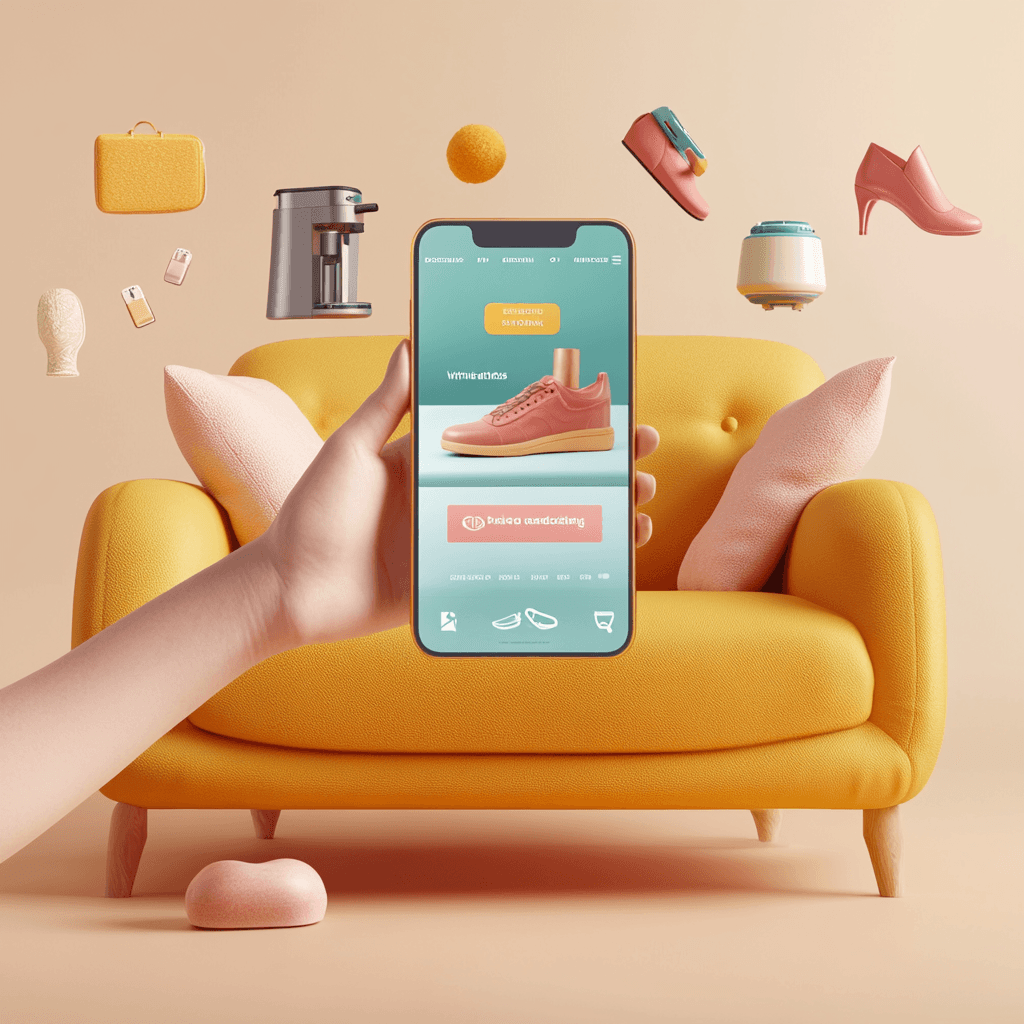
Le shopping en ligne a subi une transformation ces dernières années, et au cœur de cette révolution se trouvent deux technologies clés : la réalité augmentée (RA) et le 3D. Ces outils immersifs offrent aux consommateurs une expérience d’achat plus interactive et personnalisée, permettant aux marques de se démarquer dans un marché hautement compétitif. Voyons comment la RA et le 3D transforment le paysage de l’e-commerce.
1. Réalité Augmentée : Une Expérience Immersive pour le Client
La réalité augmentée permet l’intégration d’éléments virtuels dans le monde réel via un smartphone, une tablette ou des lunettes intelligentes. Dans le contexte de l’e-commerce, cette technologie ouvre des possibilités illimitées :
Essayage Virtuel : Les marques de mode et de cosmétiques utilisent la RA pour permettre aux clients d’essayer des vêtements, des accessoires ou du maquillage depuis chez eux. Par exemple, un client peut voir à quoi ressemble un rouge à lèvres ou une paire de lunettes en temps réel, sans avoir besoin de se rendre en magasin.
Visualisation à Domicile : Pour les meubles et la décoration, la RA permet aux consommateurs de projeter des objets directement dans leur environnement. Des plateformes comme IKEA ou Wayfair proposent des applications qui montrent comment une chaise, une table ou un canapé s’intègre dans un salon avant même de passer commande.
Engagement Accru : La RA crée une expérience ludique et engageante qui retient les utilisateurs sur les sites d’e-commerce. Ces interactions immersives non seulement augmentent la satisfaction des clients, mais réduisent également les retours, car les consommateurs prennent des décisions plus éclairées.
2. 3D : Donner Vie aux Produits en Ligne
Des modèles 3D détaillés de produits constituent une autre grande innovation dans l’e-commerce. Contrairement aux images statiques ou aux vidéos, les modèles 3D permettent aux clients d’interagir avec les produits sous tous les angles.
Meilleure Compréhension des Produits : Les consommateurs peuvent zoomer, faire pivoter et examiner chaque détail d’un produit, qu’il s’agisse d’un gadget électronique, d’un sac à main ou d’une montre. Cela remplace l’expérience tactile que les magasins physiques offrent traditionnellement.
Personnalisation en Temps Réel : Avec le 3D, les clients peuvent personnaliser les produits selon leurs préférences. Par exemple, un utilisateur peut choisir une couleur, un matériau ou un design spécifique pour un canapé et voir immédiatement le rendu 3D final.
Compatibilité Omni-Canal : Les modèles 3D peuvent être intégrés à travers des sites web, des applications mobiles et même des publicités en ligne. Ils s’accordent parfaitement avec les expériences de RA pour un impact maximal.
3. Avantages Stratégiques pour les Marques
Adopter la RA et le 3D ne consiste pas seulement à offrir une meilleure expérience utilisateur : c’est aussi un puissant levier stratégique pour les marques.
Augmentation des Conversions : Une étude de Shopify a révélé que « les pages produits avec des fonctionnalités 3D ou RA augmentent les taux de conversion de 94 % ». En rendant le parcours d’achat plus informatif et engageant, les clients se sentent plus en confiance pour effectuer un achat.
Réduction des Retours : En permettant aux consommateurs de mieux visualiser les produits avant l’achat, les technologies RA et 3D réduisent significativement les retours, un problème coûteux pour de nombreux détaillants en ligne.
Image de Marque Innovante : L’utilisation de ces technologies positionne une marque en tant que leader, attirant les consommateurs désireux d’expériences uniques et modernes.
4. Comment Intégrer Ces Technologies dans Votre Stratégie E-commerce ?
Pour tirer pleinement parti de la RA et du 3D, il est essentiel d’adopter une approche stratégique :
- Analysez les Besoins de Vos Clients : Quels types de produits bénéficieraient le plus d’une expérience immersive ? La RA est-elle plus pertinente pour des essayages ou des démonstrations de produits ?
- Choisissez les Bons Outils : Collaborez avec des développeurs spécialisés ou utilisez des plateformes existantes qui intègrent déjà ces technologies (par exemple, Shopify RA ou Adobe Aero).
- Optimisez pour Tous les Appareils : Assurez-vous que vos expériences RA et 3D fonctionnent sans problème sur mobile et desktop, car la majorité des consommateurs naviguent désormais sur leurs smartphones.
- Formez Vos Équipes : Familiarisez vos équipes marketing et produit avec les possibilités offertes par la RA et le 3D, pour maximiser l’impact de ces outils.
Une Révolution à Portée de Main
La réalité augmentée et le 3D redéfinissent ce que signifie faire du shopping en ligne. En créant des expériences riches, personnalisées et interactives, ces technologies permettent aux marques de capter l’attention des consommateurs tout en améliorant leur compétitivité. À mesure que ces outils deviennent de plus en plus accessibles, il est temps pour les entreprises d’embrasser ces innovations et d’élever leur stratégie e-commerce à un nouveau niveau.
Êtes-vous prêt à plonger dans le futur du shopping en ligne ?