
Qu'est-ce que la réalité augmentée ?
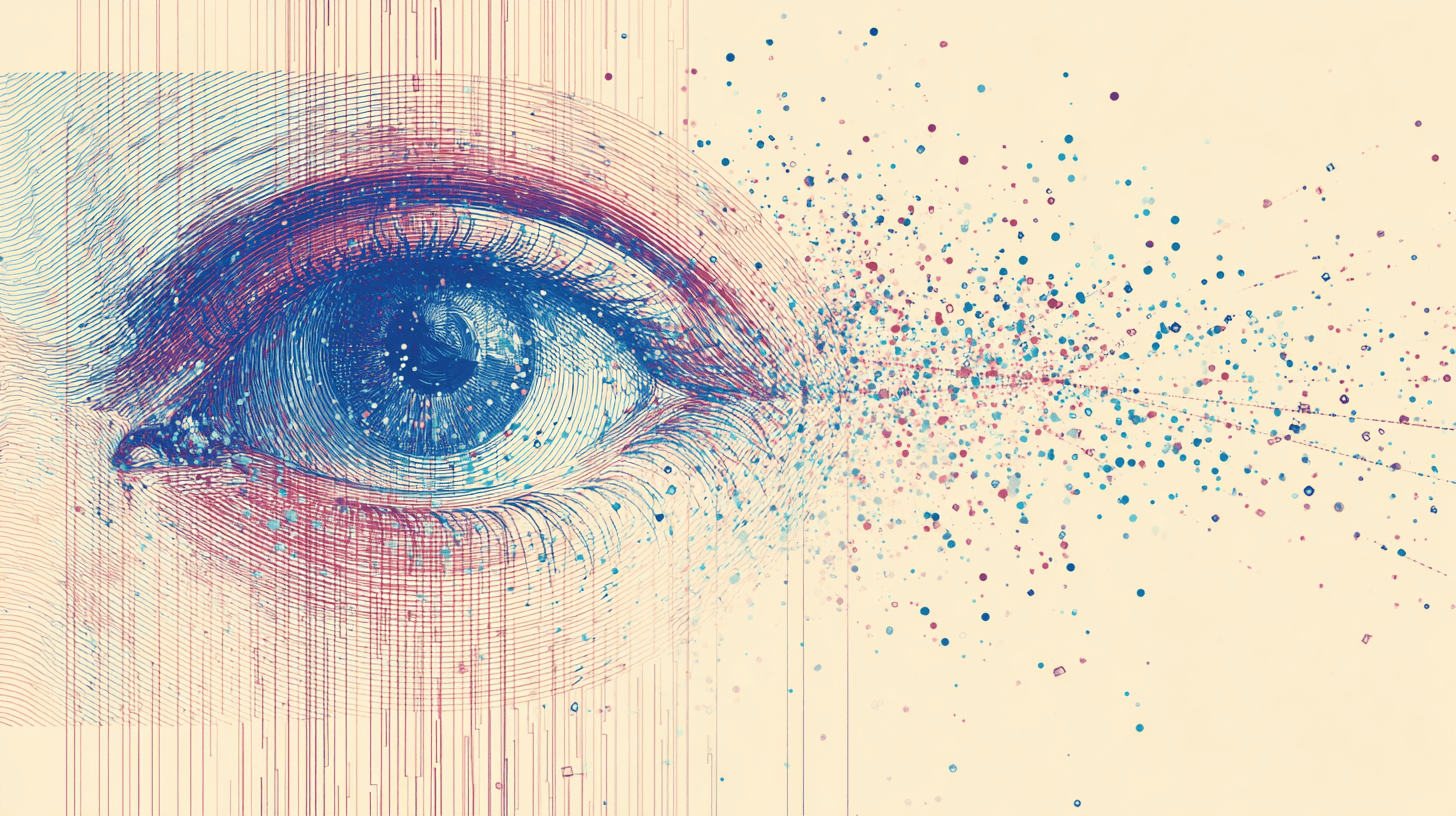
La réalité augmentée (RA) est une technologie transformative qui fusionne sans effort les informations numériques avec le monde physique qui vous entoure. Contrairement à la réalité virtuelle, qui crée un environnement entièrement artificiel, la RA améliore votre expérience du monde réel en superposant du contenu généré par ordinateur — tel que des images, des sons, du texte ou des modèles 3D — directement sur votre vue de l’environnement physique.
L’histoire riche de la RA : Plus de 40 ans d’innovation
Contrairement à la croyance populaire, la RA n’est pas une invention récente. La technologie trouve ses racines en 1968, lorsque Ivan Sutherland au MIT a créé le premier système de RA : un affichage monté sur la tête surnommé la “Lame de Damoclès” en raison de sa connexion par bras mécanique à un ordinateur. Cet appareil révolutionnaire affichait un simple cube 3D à travers des lentilles tout en suivant les mouvements de la tête de l’utilisateur.
Les années 1980 ont vu le développement des affichages tête haute (HUD) pour des applications militaires, permettant aux pilotes de visualiser des informations critiques superposées à leur champ de vision. Ces systèmes ont par la suite trouvé leur chemin dans des véhicules civils, affichant des directions de navigation et des informations de vitesse directement sur les pare-brises.
La NASA a davantage fait avancer le domaine avec des casques de RA légers qui permettaient aux opérateurs de superposer des informations numériques sur des éléments physiques — un concept qui inspirerait plus tard des dispositifs modernes tels que le HoloLens de Microsoft. Le terme “réalité augmentée” lui-même n’a été utilisé qu’à partir des années 1990, lorsque les employés de Boeing, Tom Caudell et David Mizell, ont développé un système de RA pour aider les ouvriers de la chaîne de production en superposant des plans techniques sur des composants physiques.
Comment fonctionne la technologie moderne de la RA
La RA d’aujourd’hui repose sur une vision par ordinateur sophistiquée, des capteurs et une puissance de traitement. La technologie utilise plusieurs approches clés :
RA basée sur des marqueurs : Les premiers systèmes s’appuyaient sur des marqueurs visuels — des images ou des symboles à fort contraste que les dispositifs pouvaient rapidement reconnaître pour ancrer le contenu 3D. Bien qu’efficaces, ces marqueurs nécessitaient une préparation et un placement, limitant les expériences de RA spontanées.
Révolution de la RA sans marqueurs : Le jeu a changé avec ARKit d’Apple et ARCore de Google, intégrés directement dans les systèmes d’exploitation des smartphones. Ces plateformes peuvent détecter des surfaces, suivre la position de l’utilisateur et analyser l’éclairage ambiant sans nécessiter de marqueurs. Elles créent des cartes spatiales détaillées des environnements, permettant aux objets virtuels d’être placés et suivis naturellement dans des espaces du monde réel.
Cette avancée technologique permet aux utilisateurs de se déplacer autour des objets virtuels, de les voir sous différents angles et même de créer des pièces virtuelles complètes pouvant être explorées à l’aide d’appareils mobiles.
Applications professionnelles stimulant l’innovation
Contrairement à la réalité virtuelle, la RA a été principalement développée pour un usage professionnel et expérimental avant de toucher les consommateurs. Aujourd’hui, de nombreuses industries tirent parti des capacités uniques de la RA :
Patrimoine culturel et musées : La RA donne vie à l’histoire en projetant des reconstructions 3D d’artefacts perdus ou d’éléments architecturaux. Les musées créent des expériences enrichies pour les visiteurs avec des personnages interactifs et des superpositions d’informations qui aident les visiteurs à se concentrer sur des détails architecturaux spécifiques ou des contextes historiques. Pour les enfants, la RA sert d’outil éducatif engageant qui combine jeu et apprentissage.
Révolution de l’immobilier : Le secteur immobilier a adopté la RA grâce à des outils de visualisation sur tablettes et smartphones. Deux approches principales ont émergé :
- RA basée sur des plans : Affiche des modèles de bâtiments 3D lors de la visualisation de plans architecturaux 2D, offrant une alternative attrayante aux modèles physiques à l’échelle lors des salons immobiliers
- RA sur site : Projette des modèles 3D à grande échelle directement sur les chantiers de construction, permettant aux investisseurs de visualiser des bâtiments achevés dans leurs emplacements et contextes réels
Applications industrielles : La RA répond au défi de démontrer de grands équipements immobiles lors des salons professionnels. Les fabricants peuvent présenter des lignes de production, des machines agricoles ou des processus industriels complexes grâce à la RA mobile, avec des éléments en mouvement animés, des panneaux d’informations interactifs et des explications détaillées des composants.
Configureurs de produits : La RA a révolutionné le commerce électronique en permettant aux clients de visualiser des produits à taille réelle dans leurs propres espaces. Des essais de placement de meubles aux tests de configurations de produits, la RA comble le fossé entre les achats en ligne et les expériences de vente au détail physiques.
La percée pour le consommateur
La RA a atteint une reconnaissance grand public grâce à des canaux inattendus. Le succès phénoménal de Pokémon GO en 2016 a introduit des millions à la technologie RA, en faisant l’application la plus téléchargée de tous les temps. De même, les filtres (lentilles) de RA de Snapchat ont familiarisé les utilisateurs avec la technologie sans qu’ils réalisent nécessairement qu’ils expérimentaient la réalité augmentée.
L’avenir de la réalité mixte
La prochaine frontière réside dans des casques et des lunettes de RA dédiés, souvent appelés “réalité mixte”. Des dispositifs comme le HoloLens de Microsoft, le Magic Leap One et le Meta 2 représentent des avancées significatives en scannant les surfaces de la pièce entière, permettant aux objets virtuels d’être placés n’importe où dans des espaces physiques. Cette technologie promet de créer des superpositions virtuelles infiniment personnalisables visibles par quiconque portant des dispositifs compatibles, révolutionnant potentiellement la façon dont nous consommons et interagissons avec le contenu numérique.
Pourquoi la réalité augmentée est-elle importante
La RA représente plus qu’une innovation technologique — c’est un nouveau médium pour l’expression et l’interaction humaines. En supprimant les barrières entre les mondes numérique et physique, la RA permet un accès à l’information contextuelle, des capacités de résolution de problèmes améliorées, et des opportunités de créativité et de productivité sans précédent.
De ses débuts modestes en tant que projet de recherche d’Ivan Sutherland aux expériences mobiles sophistiquées d’aujourd’hui, la RA a évolué en une technologie prête à redéfinir fondamentalement notre relation avec le monde numérique. Alors que la puissance de traitement augmente et que les appareils deviennent plus accessibles, nous nous approchons d’une ère où la réalité augmentée devient aussi intégrale à la vie quotidienne que les smartphones d’aujourd’hui.
La question n’est pas de savoir si la RA deviendra grand public, mais à quelle vitesse nous nous adapterons à cette manière améliorée de vivre la réalité qui relie sans effort les royaumes physique et numérique.