
2026 Guide to the Most Powerful Generative Media Tools
Core Thesis
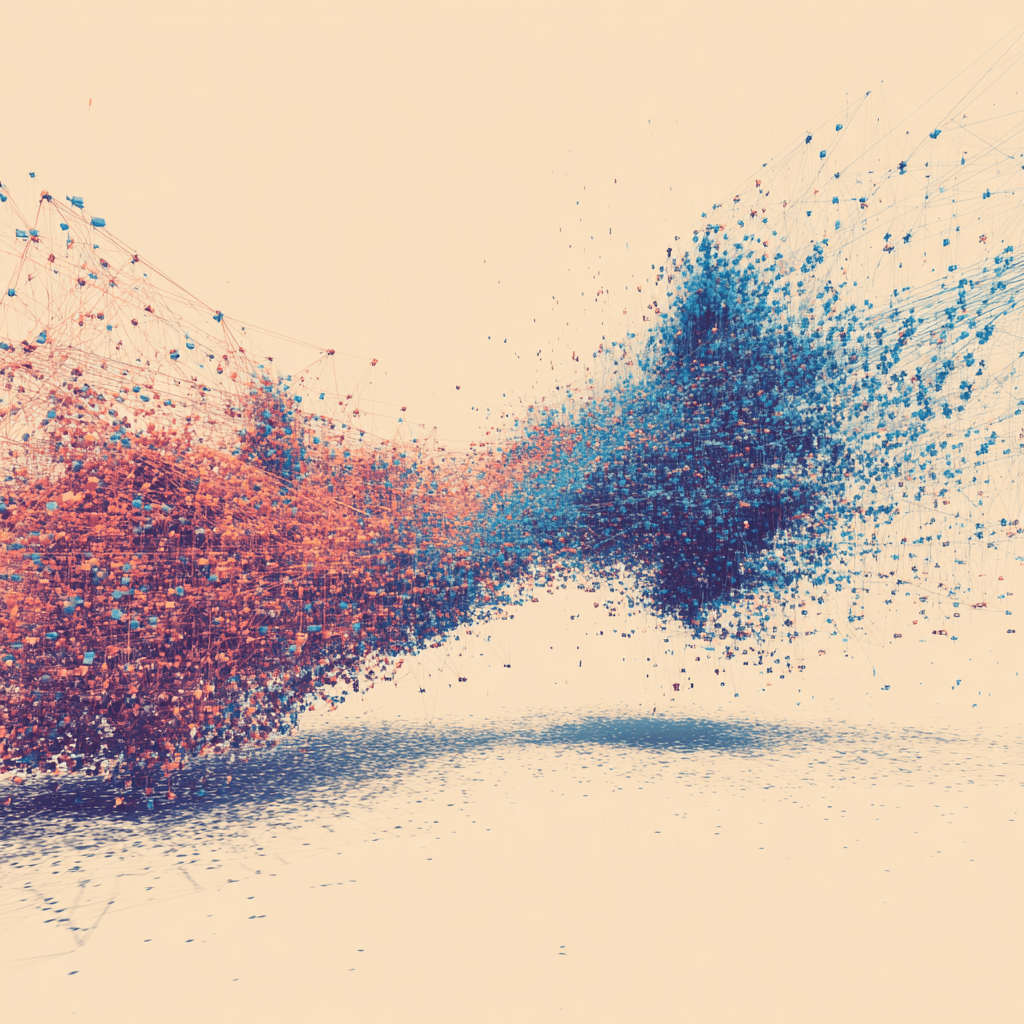
At ARGO, 2026 represents a turning point where generative AI’s value centers on “composability: how models work together, how fast they can be orchestrated, and how reliably they plug into real production pipelines.” The era of isolated tools has passed; integrated platforms aggregating multiple best-in-class models are becoming essential.
Image Generation
FLUX remains foundational but now works alongside layout-aware and spatially guided models, shifting from description-heavy prompting to directional scene composition. Stable Diffusion has evolved into a customization engine, excelling in stylistic control and brand-specific fine-tuning rather than competing on default outputs. Multimodal foundation models like Gemini-class systems act as “creative conductors,” understanding context before delegating execution.
Video Generation
Runway emphasizes temporal consistency and editability within production workflows. Cinema-grade text-to-video models represent a significant advancement, though orchestration with faster tools for iteration remains strategically important.
Audio Generation
Voice identity surpasses hyper-realism as the differentiator. Tools maintain consistent vocal character across formats and spatial experiences, functioning as design system elements.
3D and Spatial Media
Meshy and Tripo have matured into production-grade tools. The convergence of generative 3D with spatial understanding enables workflows transcending traditional 2D/3D boundaries toward “environment generation.”
Infrastructure Priority
The competitive advantage now resides in platform infrastructure rather than individual models. Organizations benefit most from systems enabling multi-model testing, workflow flexibility, and cross-format output chaining without forced tool switching.
Conclusion
Creative AI has shifted from replacement to process reshaping — “a continuous dialogue between human intent and machine execution.” Success depends on infrastructure evolution matching rapid model advancement.